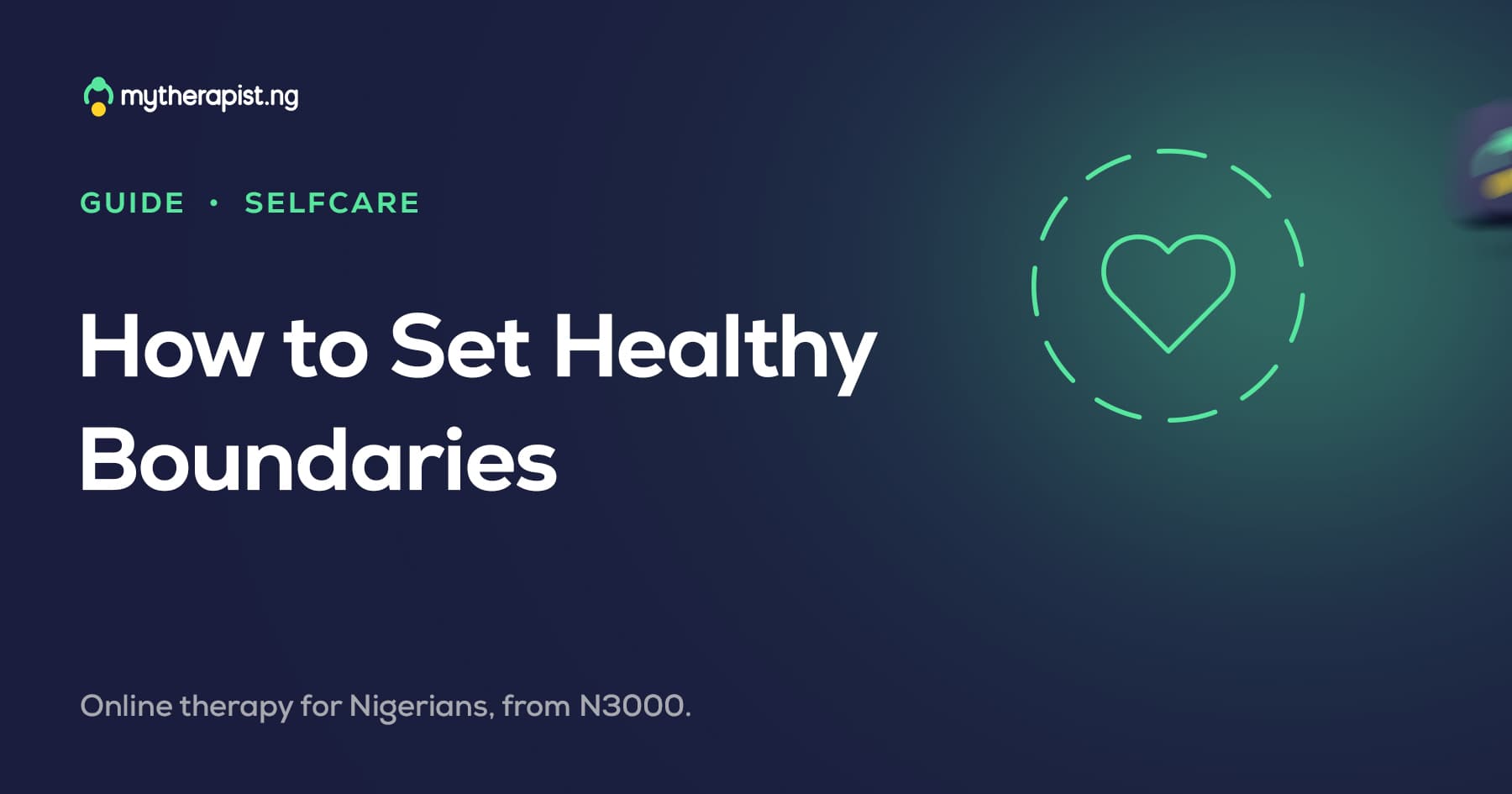

Do you say “yes” when you mean “no”? Feel responsible for everyone else’s happiness? Struggle to protect your own time and energy? You may need stronger boundaries — and setting them is one of the most important skills for your mental health.
What are boundaries?
Boundaries are the limits you set to protect your time, energy, and wellbeing. They’re not about shutting people out — they’re about respecting yourself, which actually strengthens your relationships and self-esteem.
Why boundaries feel hard
In cultures that value community and deference, saying no can feel selfish or disrespectful. But constantly overextending leads to resentment, burnout, and exhaustion.
How to set boundaries
- Get clear on what you need and what drains you.
- Be direct and kind — “I can’t take that on right now” is a complete sentence.
- Expect discomfort — guilt is normal at first and fades with practice.
- Stay consistent — boundaries only work when you hold them.
When to get support
If setting boundaries feels impossible, or guilt overwhelms you, therapy can help you understand why — and build the confidence to protect your wellbeing.
Frequently asked questions
Is setting boundaries selfish?
No. Boundaries protect your wellbeing so you can show up for others sustainably. They’re an act of self-respect, not selfishness.
Why do I feel guilty saying no?
Guilt is common, especially if you’re used to people-pleasing. It usually fades as you practise and see that healthy boundaries improve your relationships.
Talk to someone who gets it
You don’t have to work through this alone. Mytherapist.ng connects you with licensed Nigerian therapists over secure video, audio, or chat — from ₦4,000. Take the free 2-minute check-in, or browse therapists to get started today.
Suggested read: Japa Stress: The Mental Health Toll of Relocating Abroad (and How to Cope)