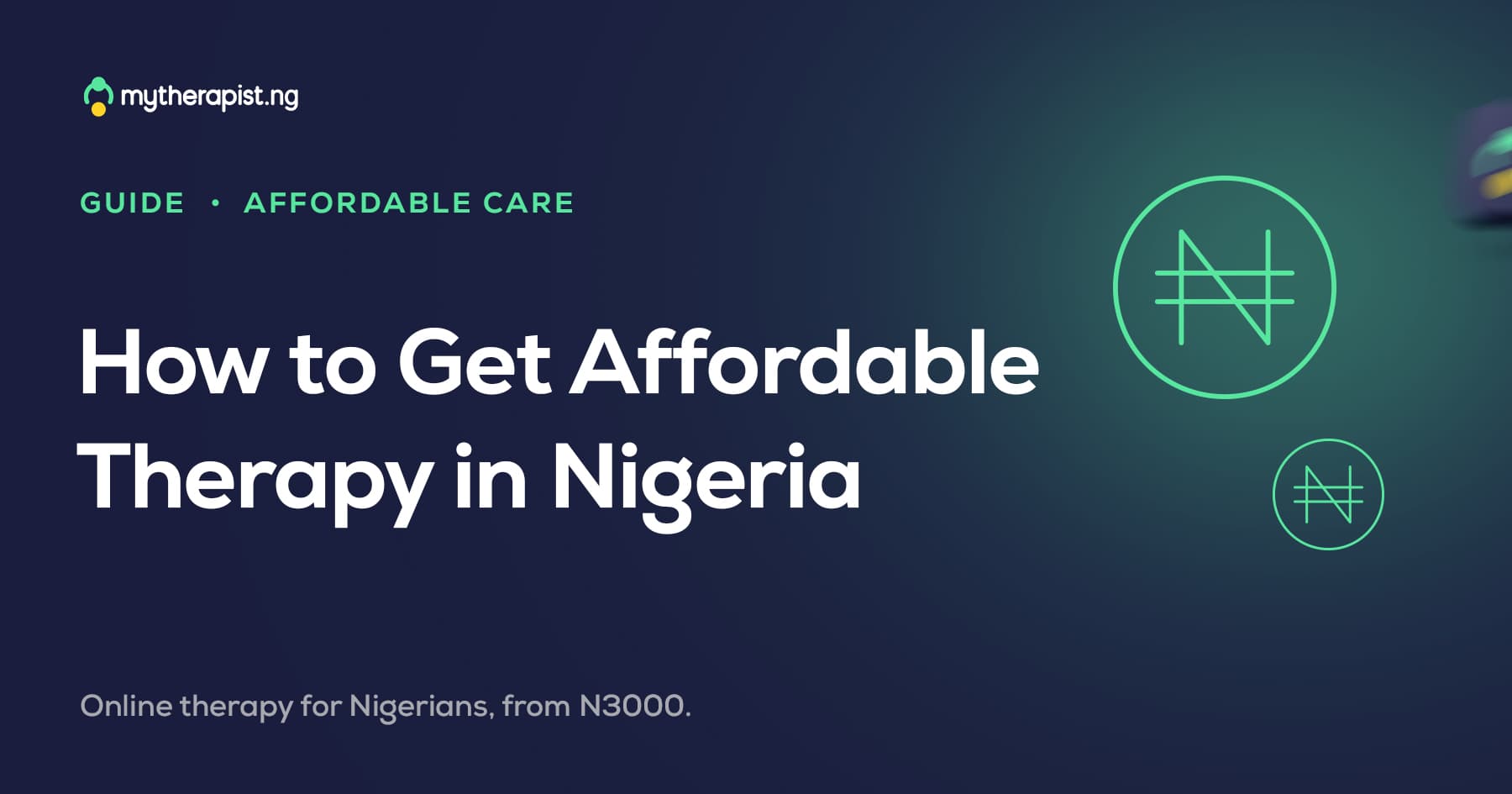

Online therapy has transformed access to mental health support in Nigeria. Instead of travelling to a clinic, you can speak to a licensed therapist from your phone. But not all platforms are equal — here’s how to choose one you can trust.
What to look for
- Licensed, verified therapists. The single most important factor. Every therapist should be a qualified, verified mental-health professional — not just a “coach.”
- Transparent, affordable pricing. Look for clear rates. On Mytherapist.ng, sessions start from ₦3,000 and you can see each therapist’s rate before booking.
- Flexible session formats. Video, audio, and chat let you get support in the way that feels comfortable.
- Privacy and confidentiality. Sessions should be encrypted and your data protected.
- Local understanding. A therapist who understands the Nigerian context will connect with you more easily.
Questions to ask before you commit
- Are the therapists licensed and verified?
- How much does a session cost, and are there hidden fees?
- Can I choose my therapist, and switch if it’s not the right fit?
- Does it work with my HMO, or offer student discounts?
Is online therapy as effective as in-person?
For most common concerns — anxiety, depression, stress, relationships — research shows online therapy works just as well as in-person, with the added benefits of convenience and lower cost.
Frequently asked questions
Is online therapy legit in Nigeria?
Yes — as long as the platform uses licensed, verified therapists. Always check credentials before booking.
How much does online therapy cost in Nigeria?
It varies by therapist, but online therapy is generally more affordable than in-person. On Mytherapist.ng, sessions start from ₦3,000.
Talk to someone who gets it
You don’t have to work through this alone. Mytherapist.ng connects you with licensed Nigerian therapists over secure video, audio, or chat — from ₦3,000. Take the free 2-minute check-in, or browse therapists to get started today.